If the Grammar Police was an actual organization, I could easily qualify for Chief! One of my biggest pet peeves is the use of improper grammar on signs, in books and other media, and even in speech. English is a complex language, it's true--but not so complex that we can't take the time to learn to use it properly. The following are some of the most common errors that I feel deserve to be 'ticketed' by the local Grammar Cop:
1. Offense: I SEEN
Correct: I HAVE seen or I SAW
2. Offense: Should OF or could OF
Correct: Should HAVE, could HAVE, should've or could've
3. Offense: COULD care less
Correct: COULDN'T care less
4. Offense: ALOT
Correct: A LOT
5. Offense: IRREGARDLESS
Correct: REGARDLESS
6. Offense: LAY down
Correct: LIE down
7. Offense: MISTAKEDLY
Correct: MISTAKENLY
8. Offense: Do you GOT
Correct: Do you HAVE
9. Offense: SUPPOSABLY
Correct: SUPPOSEDLY
10. Offense: I DONE (this or that)
Correct: I DID (this or that)
Another frequent offense is the misuse of "I" and "me" in a sentence. For example, "Joe and ME went to the store" or "This is a picture of Joe and I." How do you know when to use 'me' and when to use 'I'? Here's a simple test to keep you on track: Eliminate the proper noun from the sentence. In other words, in these examples, take out the name 'Joe'. Would you say, "Me went to the store" or "This is a picture of I?" No, you wouldn't! Therefore, the correct way to write or say these sentences is, "Joe and I went to the store" (I went to the store) and "This is a picture of Joe and me" (This is a picture of me). Get it??
As writers, we need to take care to use proper grammar not only in our speech, but ALL of our writing tasks as well. What other grammar offenses have you found? Which ones would YOU ticket? Let me know in the comments!
Tuesday, August 11, 2015


Sunday, June 21, 2015
A Little Goes a Long Way
Imagine this scene: You're scanning the shelves of your favorite book store when one of the titles catches your eye. You reach for the book and flip it over to read the synopsis. Six or seven (or more) detailed paragraphs later, you finish--what do you do next? Do you buy the book?
My answer to that question may surprise you. I usually put the book back and move on. Why should I purchase the book when I've just read the complete story on the back cover? (or inside the jacket for some books) It's not going to be an enjoyable read for me if I know exactly what's going to happen even before I begin.
I see this happen all the time, especially with first-time authors. The synopsis--also called the cover copy or blurb--can be a difficult thing to write. After all, how do you sum up an entire book in two or three short paragraphs? Many times, the author feels the need to include as much information as possible, which generally results in giving away the entire plotline. It spoils the reading experience for the consumer and loses the sale for you. Remember, the blurb should entice the reader into wanting more; in other words, they'll have no choice except to buy the book to find out what happens.
Writing blurbs takes practice, but in time, you'll find that keeping the actual story INSIDE the covers of the book pays off.
Until next time--happy writing!
My answer to that question may surprise you. I usually put the book back and move on. Why should I purchase the book when I've just read the complete story on the back cover? (or inside the jacket for some books) It's not going to be an enjoyable read for me if I know exactly what's going to happen even before I begin.
I see this happen all the time, especially with first-time authors. The synopsis--also called the cover copy or blurb--can be a difficult thing to write. After all, how do you sum up an entire book in two or three short paragraphs? Many times, the author feels the need to include as much information as possible, which generally results in giving away the entire plotline. It spoils the reading experience for the consumer and loses the sale for you. Remember, the blurb should entice the reader into wanting more; in other words, they'll have no choice except to buy the book to find out what happens.
Writing blurbs takes practice, but in time, you'll find that keeping the actual story INSIDE the covers of the book pays off.
Until next time--happy writing!
Sunday, February 1, 2015
Thinking Outside the Box
I have a friend in my writers group who refers to me as "Mrs. Everywhere." Contrary to what some may think the name implies (get your minds out of the gutter!), it's a moniker he gave me to represent the multitude of promotional events I participate in every year. Many times during conversations when an event or venue is mentioned, I say I've either been there or will be there. Keeping my name and face in front of my readers and potential readers is something I've always deemed important, and over the years, I've found the best way to do that is through using unique sales tactics.
For many writers, "selling books" means setting up space in a local book store for an afternoon and coercing all the patrons to buy your wares. While book store signings are all well and good, there are numerous other ways to promote your work. Here's a list of some you may not have considered:
1) Set up a table at a local craft show. People are there to buy, and often welcome something different from homemade candles or wood crafts.
2) Libraries love to promote local authors. Schedule a brief presentation about your book, and offer to donate a copy or two to the library as your thanks for the opportunity.
3) Retirement and assisted living communities often welcome authors for a short presentation and reading for their residents. Offer a discount to anyone who wants to purchase, and donate a copy to the facility's library, if they have one.
4) Take part in a charitable event by donating a copy of your books for a raffle, or set up a table and give part of the day's profits to the cause. Any charitable donation you make is tax deductible, so be sure to ask for a receipt.
5) Do you live close to an airport? Schedule a meeting with the manager of one of the gift shops and ask them to purchase copies of your books for resale. What better way to endure a long flight than with a good book.
6) Similar to the idea of tip #5, hospital gift shops may be interested in what you have to offer. Both patients and visitors often pass the time by reading, and may welcome the availability of something other than a magazine.
7) Offer a special on your social media page and watch the orders roll in! People love getting a good bargain, and will also enjoy the perk of supporting a local artist. Be sure to list all the details in your post and a link to your personal website, as well as the deadline for orders.
In what other creative ways have you promoted your books? Please feel free to share in the comments. Until next time, happy writing!
For many writers, "selling books" means setting up space in a local book store for an afternoon and coercing all the patrons to buy your wares. While book store signings are all well and good, there are numerous other ways to promote your work. Here's a list of some you may not have considered:
1) Set up a table at a local craft show. People are there to buy, and often welcome something different from homemade candles or wood crafts.
2) Libraries love to promote local authors. Schedule a brief presentation about your book, and offer to donate a copy or two to the library as your thanks for the opportunity.
3) Retirement and assisted living communities often welcome authors for a short presentation and reading for their residents. Offer a discount to anyone who wants to purchase, and donate a copy to the facility's library, if they have one.
4) Take part in a charitable event by donating a copy of your books for a raffle, or set up a table and give part of the day's profits to the cause. Any charitable donation you make is tax deductible, so be sure to ask for a receipt.
5) Do you live close to an airport? Schedule a meeting with the manager of one of the gift shops and ask them to purchase copies of your books for resale. What better way to endure a long flight than with a good book.
6) Similar to the idea of tip #5, hospital gift shops may be interested in what you have to offer. Both patients and visitors often pass the time by reading, and may welcome the availability of something other than a magazine.
7) Offer a special on your social media page and watch the orders roll in! People love getting a good bargain, and will also enjoy the perk of supporting a local artist. Be sure to list all the details in your post and a link to your personal website, as well as the deadline for orders.
In what other creative ways have you promoted your books? Please feel free to share in the comments. Until next time, happy writing!
Tuesday, January 27, 2015
Keeping Up with the Times
In what era do your stories take place? When I started writing my 'Forever Love' series almost eleven years ago, I decided to take a trip back in time to the late 1980s. For me, it was a time of my life that held some of my happiest and most precious memories--college, making some great friends, meeting my husband, and getting married. Awesome music, awesome movies, awesome fashions (hey, I rocked those designer jeans, folks!)--I couldn't imagine a better time for my characters to live in. Most of the details poured into my manuscript were easily pulled from the corners of my mind. Not much research was necessary to keep things factual. Everything was perfect until....
I began working on Book 3.
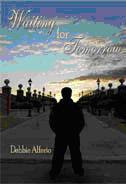
Suddenly, I was faced with a dilemma. First, I had to decide--based on the cliffhanger ending of 'Waiting for Tomorrow'--whether or not my hero would survive his tragic situation. Second, regardless of which way I went, he would need to undergo at least a minimal amount of medical treatment. This time around, my memories of working as a medical receptionist weren't going to suffice. I had to figure out if what I was writing was true to the times. Would it be correct for him to have an MRI scan or be given Vicodin for his pain? (no, to both of those, by the way) Who would be responsible for notifying his family of his accident (or death)? And, most importantly, what sorts of injuries might he sustain, and how would they be treated? Whew! I was overwhelmed. I turned to the internet, but wasn't able to find everything I needed to know. I became frustrated. What could I do?
Fortunately, there's a happy ending to my story. God, in His infinite wisdom, led me to a friend who just happens to be an ER nurse at a local hospital. She had read my books and knew my hero's spot. After firing a barrage of questions her way, she was able to provide me with the answers I needed to factually and accurately move my story forward. All was right with the world once more!
The moral of the story: If you're writing about any era other than the present one, be sure to do your homework. Scan the internet, go to the library, talk to people who lived during that time. We all know a book full of grammatical errors is horrific enough, but a book full of inaccurate information is just as bad. You want your readers to see you as someone who goes all the way in making their work the best it can be. There's never an excuse for sloppy writing.
How do you research your book's era? Tell me in the comments!
Until next time...happy writing!
I began working on Book 3.
Suddenly, I was faced with a dilemma. First, I had to decide--based on the cliffhanger ending of 'Waiting for Tomorrow'--whether or not my hero would survive his tragic situation. Second, regardless of which way I went, he would need to undergo at least a minimal amount of medical treatment. This time around, my memories of working as a medical receptionist weren't going to suffice. I had to figure out if what I was writing was true to the times. Would it be correct for him to have an MRI scan or be given Vicodin for his pain? (no, to both of those, by the way) Who would be responsible for notifying his family of his accident (or death)? And, most importantly, what sorts of injuries might he sustain, and how would they be treated? Whew! I was overwhelmed. I turned to the internet, but wasn't able to find everything I needed to know. I became frustrated. What could I do?
Fortunately, there's a happy ending to my story. God, in His infinite wisdom, led me to a friend who just happens to be an ER nurse at a local hospital. She had read my books and knew my hero's spot. After firing a barrage of questions her way, she was able to provide me with the answers I needed to factually and accurately move my story forward. All was right with the world once more!
The moral of the story: If you're writing about any era other than the present one, be sure to do your homework. Scan the internet, go to the library, talk to people who lived during that time. We all know a book full of grammatical errors is horrific enough, but a book full of inaccurate information is just as bad. You want your readers to see you as someone who goes all the way in making their work the best it can be. There's never an excuse for sloppy writing.
How do you research your book's era? Tell me in the comments!
Until next time...happy writing!
Saturday, January 10, 2015
New Year, New Opportunities
Last year was rough. Just downright rough. You name it, and it probably happened around here. It seems the only thing missing was a natural disaster, and if Lake Erie were capable of producing hurricanes or tsunamis, I'm not so sure we would have been spared.
But.... That's past history! It's a brand new year, and with that comes brand new opportunities. Three-hundred-and-sixty-five new days to wake up, get dressed, and conquer the world. Right?
Well, okay. Maybe we won't feel like conquering the world every day. Realistically speaking, there will be days we feel more like flinging the alarm clock across the room, burrowing under the covers, and going back to sleep for the next 24 hours. It's inevitable. No one promised life would be perfect, but fortunately, those days are the exception rather than the rule for most of us. However, when they hit, they can be a real downer. It's those times you just have to put on your big girl (or big boy) pants and suck it up. Move forward. Keep going with the knowledge that the situation is only temporary. Work it out the best you can, and be proud of your efforts.
The same holds true for our writing. In the past year, despite the personal challenges I faced, there were days I sat down and cranked out great work. I would reread my previous days' musings and feel a sense of accomplishment. Other times, I would hate it all--'highlight' and 'delete' became my best friends. There were even times I would go days--even weeks--without writing a single word. It didn't matter if I had 500,000 thoughts all swirling around in my head dying to be a part of my manuscript. If I wasn't feeling it, they stayed where they were, never to see the light of day.
But, I kept going.
I didn't let those 'off' days get to me, and you shouldn't, either. I've heard it's best to try to write something every day in order to keep the creative juices flowing, and I agree with that. However, if there are days when the muse decides to go on vacation, don't sweat it. I always say you can't force creativity. It's either there, or it's not. If it is, then by all means, grab it by the horns and don't let go. Write until your fingers ache! If it's not, step away from the computer and allow yourself to relax and regroup. Take a long walk, a candlelight bath, catch a movie with a friend. Have dinner with your significant other, play a game with your kids. Do something that will take your focus off the writing for a little while. Chances are, when you return to it, the words will come more easily.
Just keep in mind that today is only one day, and you still have 364 more opportunities to shine. And you undoubtedly will!
Until next time, Happy Writing!
But.... That's past history! It's a brand new year, and with that comes brand new opportunities. Three-hundred-and-sixty-five new days to wake up, get dressed, and conquer the world. Right?
Well, okay. Maybe we won't feel like conquering the world every day. Realistically speaking, there will be days we feel more like flinging the alarm clock across the room, burrowing under the covers, and going back to sleep for the next 24 hours. It's inevitable. No one promised life would be perfect, but fortunately, those days are the exception rather than the rule for most of us. However, when they hit, they can be a real downer. It's those times you just have to put on your big girl (or big boy) pants and suck it up. Move forward. Keep going with the knowledge that the situation is only temporary. Work it out the best you can, and be proud of your efforts.
The same holds true for our writing. In the past year, despite the personal challenges I faced, there were days I sat down and cranked out great work. I would reread my previous days' musings and feel a sense of accomplishment. Other times, I would hate it all--'highlight' and 'delete' became my best friends. There were even times I would go days--even weeks--without writing a single word. It didn't matter if I had 500,000 thoughts all swirling around in my head dying to be a part of my manuscript. If I wasn't feeling it, they stayed where they were, never to see the light of day.
But, I kept going.
I didn't let those 'off' days get to me, and you shouldn't, either. I've heard it's best to try to write something every day in order to keep the creative juices flowing, and I agree with that. However, if there are days when the muse decides to go on vacation, don't sweat it. I always say you can't force creativity. It's either there, or it's not. If it is, then by all means, grab it by the horns and don't let go. Write until your fingers ache! If it's not, step away from the computer and allow yourself to relax and regroup. Take a long walk, a candlelight bath, catch a movie with a friend. Have dinner with your significant other, play a game with your kids. Do something that will take your focus off the writing for a little while. Chances are, when you return to it, the words will come more easily.
Just keep in mind that today is only one day, and you still have 364 more opportunities to shine. And you undoubtedly will!
Until next time, Happy Writing!
Monday, December 9, 2013
'Tis The Season

It's that time of year again, and everyone's focus seems to be on finding that perfect gift. I understand how frustrating it can be to head to the local mall and spend hours flitting from one store to the next, only to go home empty handed or with something I "settled" on. We authors are sitting on a goldmine of gift ideas not only for those on our own shopping lists, but dozens of others as well. How do you use your gift of writing as a gift for others?
1--Let's start with the obvious--books make awesome gifts! All of us know at least a few avid readers, so why not sign a copy or two of your work, wrap them up in pretty paper, and hand them out? Or, set up a booth at a local craft or book fair and suggest your book(s) as the "perfect gift."
2--Take Tip #1 a step further and offer to donate a portion of your profits from holiday sales to a charity or local homeless shelter, food bank, etc. Offer a discount off the purchase price for donating a non-perishable food item or a small toy to be given to a needy child. People will be encouraged to buy not only for the value of the book itself as a gift, but the added bonus of helping others.
3--Nothing says "I care" better than a handwritten note. Is there someone you're thinking of who could use a word of encouragement during this time of year, or would simply love to hear from you? Instead of picking up the phone, buy some pretty stationery and craft a meaningful letter to let them know they're on your mind. If you're the poetic type, include a few original lines of prose. They will cherish it!
4--Who doesn't enjoy looking through old photos and sharing memories? Make up a small scrapbook or photo album and include a short story that correlates with each photo. Reliving times past is the perfect way to spread the joy of the season.
5--Write the script for a short holiday play to be presented by your church, neighborhood playhouse, or just family members in your living room. It can be fun and festive, or serious to reflect your beliefs. Writers are often prompted to "show, not just tell" and this is one way you can do that!
Tap into that creativity and let me know what other ideas you might have in the comments section. Wishing you a peaceful and joyous holiday season!
Monday, November 11, 2013
Don't Push Me Away!
Rejection. As writers, we are more than familiar with the term. It happens often to many of us, but never loses its sting. Rejection is never fun and never welcome. We tend to take it personally. We allow it to ruin our ambition, to make us feel as if we have nothing worthy to offer. It wraps us up in the blanket of "oh, woe is me" and won't let us go. It comes in many forms, from the well-known letter from a publisher or agent to a less-than-stellar book review. So, how do we unfold ourselves from rejection's grip and learn to use it to our advantage?
Wait--did I say "to our advantage?" How is that even possible, you ask?
Negative feedback doesn't have to hold you back. The next time you find yourself staring into the face of rejection, try these tips:
Rejection Letter--The publisher says you don't have what they're looking for. So, what? There are plenty of others out there! Take the time to read the letter carefully, tweak your manuscript accordingly, and submit it to other companies. Let each rejection you receive become a challenge to keep pushing onward. Don't throw out your dreams of publication with the letter!
Negative Review--These always hurt, no doubt, but it's unrealistic to believe everyone will love your work. Try to keep in mind that a review is simply one person's opinion and does not reflect the opinions of everyone. Like the rejection letter, read the review carefully and take note of any ways you might be able to improve your writing. Again, keep moving onward--for every one person who isn't satisfied by your work, there are probably ten or more who are!
Rejection from Readers--There will be times in your writing career when a reader gives negative feedback on your work. Again, you can't expect everyone to love what you do. People like what they like--it's as simple as that. Keep that thought in mind and thank the reader for his/her input. Unless you are getting the same feedback from a large number of readers, simply take it as a grain of salt.
What other types of rejection have you faced in your writing career? How did you handle it? Please feel free to share in the comments!
Wait--did I say "to our advantage?" How is that even possible, you ask?
Negative feedback doesn't have to hold you back. The next time you find yourself staring into the face of rejection, try these tips:
Rejection Letter--The publisher says you don't have what they're looking for. So, what? There are plenty of others out there! Take the time to read the letter carefully, tweak your manuscript accordingly, and submit it to other companies. Let each rejection you receive become a challenge to keep pushing onward. Don't throw out your dreams of publication with the letter!
Negative Review--These always hurt, no doubt, but it's unrealistic to believe everyone will love your work. Try to keep in mind that a review is simply one person's opinion and does not reflect the opinions of everyone. Like the rejection letter, read the review carefully and take note of any ways you might be able to improve your writing. Again, keep moving onward--for every one person who isn't satisfied by your work, there are probably ten or more who are!
Rejection from Readers--There will be times in your writing career when a reader gives negative feedback on your work. Again, you can't expect everyone to love what you do. People like what they like--it's as simple as that. Keep that thought in mind and thank the reader for his/her input. Unless you are getting the same feedback from a large number of readers, simply take it as a grain of salt.
What other types of rejection have you faced in your writing career? How did you handle it? Please feel free to share in the comments!
Wednesday, April 17, 2013
Speaking From Experience

I love public speaking--now, that is. I used to hate it. In fact, in years past, just the very thought of speaking in front of a group would put me into such a state of panic that I would almost become physically ill. Now when I look back on those days, believe it or not, I can't for the life of me understand why I ever felt that way. Public speaking engagements carry so many positives for an author that you can't afford not to do them, at least once in a while. But what if you, too, find yourself shaking, sweating, and stammering when placed behind a podium? Maybe these tips can help:
- Know Your Topic: Nothing causes a presentation to take a nose dive faster than a speaker who doesn't have knowledge of his topic. I don't recommend speaking on any subject you don't have personal experience with or aren't willing to thoroughly learn or research. Sticking to what you know has its benefits, and you'll be less flustered if the presentation goes off-course a little.
- Practice Makes Perfect: Practice your presentation in front of friends and family, allowing them to provide honest feedback. Does your voice trail off at the end of a sentence? Do you make adequate eye contact? Do you speak clearly? Does your presentation cover interesting points or does it ramble on endlessly? Use the feedback you get to improve the areas that need improving and strenghten your overall performance.
- Timing is Everything: Inexperienced or nervous speakers tend to either cut their presentations short or go over the time allotted. Be sure you know exactly how much time you're expected to fill, and time your speech to stay within the limits. I personally write my presentations to allow for at least 10-15 minutes of question and answer time at the end, or a writing activity--whichever is appropriate for the event.
- Stay On Topic: Many times a speaker gets a question or a comment from the audience and veers completely away from the original topic. If this happens, go ahead and address it, but don't spend too much time away from the subject. Gently guide everyone back to what they came to hear and learn. Always keep in mind that you're on a schedule.
- Relax and Have Fun: Don't approach your presentation like a stuffy college professor. Relax and enjoy your crowd. Smile, make eye contact, and be animated if that's your personality. Keep the audience interested by speaking in a conversational way, avoiding a monotone that's sure to bore everyone there.
Remember, speaking engagements are a great way for you to reach out to those who may be interested in reading your book and/or becoming writers themselves. Don't be afraid to get out there and do it--the more you do, the more comfortable and experienced you'll become. Happy writing--and speaking!
*Photo courtesy of Google Images
*Photo courtesy of Google Images
Wednesday, April 10, 2013
Sweet Success!

Recently, my family had the privilege of seeing rock legend Elton John in concert. Whether or not you are a fan of Elton's music, you can't deny that the man is a success. At the age of 66 he continues to record music, tour extensively, and sell more records than many artists could ever dream of. So, as I sat in the concert arena with my ears ringing and my throat hoarse from singing the strains of "Crocodile Rock", I started to think: what made him the iconic celebrity he is today?
Hard Work: If you've ever seen Elton perform, you know he's no slacker. His concerts are two-and-a-half hours of non-stop energy. He puts his all into every note he sings and every note he plays. His tours generally encompass most major cities in the United States as well as some overseas.
Dedication to His Fans: He knows what they want, and he delivers. Elton made it a point to involve his audience, often inviting them to sing along with him, enticing them to clap to the beat, and addressing them after each song with a bow. He thanked them for being there and believing in him, noting that they were the reason he does what he does.
Attention to Detail: The stage was set perfectly, sound checks were done, a glass of his favorite beverage provided to keep him from getting cotton mouth. Lights flashed at appropriate times, speakers were adjusted for the perfect sound. Merchandise vendors knew what items to recommend, ushers made sure everyone found their seats, ticket takers made sure no one "slipped" in who hadn't paid to be there. Every T was crossed, every I was dotted. No detail was overlooked.
Working with the Right People: Over the years, Elton John has networked with some of the finest in the industry, and in doing so, has helped boost himself to super stardom--Bernie Taupin (songwriter), Nigel Olsen (legendary drummer/musician), and of course, Billy Joel. He has connections and uses them wisely.
How does all this relate to writing, you say? Think about it. If we work hard at our craft, remember the role our readers play in what we do, pay attention to detail in our work(engaging stories, strong characters, thorough editing), and surround ourselves with others who can help boost our careers, we are sure to find success as authors. Elton's an artist, and we are as well. Keep on the "Yellow Brick Road" and maybe someday you'll see your name in lights, too! Happy writing!
Tuesday, April 2, 2013
You're The Inspiration

Why do authors write about the things that they do? Where do the ideas come from? While the initial inspiration for my books was born from an actual dream, I tend to take a lot from the things around me. Sometimes a song will spark my muse; other times, a TV show or something I observe while I'm out and about in the world. I find that ideas and inspirations for writing are everywhere, if one will only take the time to find them. The way to your readers' hearts may very well be found in words from the waitress at your favorite restaurant, a painting at the local museum, or the child playing hopscotch on the school playground. Maybe doing some people watching at the local mall will inspire a new character, or provide you with some traits you can use to spice up a current one. Will your hero sweep the girl off her feet and carry her to that mansion you pass on your way to work each day? Or will she rescue him from a life like the homeless man you read about in the newspaper? One never knows.
Ideas and inspirations are everywhere, and you need to be ready when one hits you. Carry a small notebook in your pocket, handbag, or briefcase to jot down things that spark your interest. Invest in a handheld recorder if that works better for you. Then take what you've gathered, mix it with your own imagination, and build a world that your readers can get lost in, if only for a few hours a day. What inspires you? Share with me in the comments. Happy writing!
*Photo courtesy of Google Images
Wednesday, March 27, 2013
Try It, You'll Like It!
How many of you remember the cereal commercial from several years ago featuring a little boy named Mikey? His brothers would adamantly attest to the fact that Mikey wouldn't try the new cereal because "he hates everything." Much to their surprise, however, Mikey did try the new cereal and he liked it! Mikey discovered something new, his brothers were amazed that he stepped out of his comfort zone, and the company probably sold another box or two of cereal. Everyone was happy.

Let's face it--we've all been Mikeys at some point when it comes to our writing. We fear trying something new because, well, what if we can't do it? What if we don't measure up to other authors or books? What if no one reads/likes/wants to publish our story? Let's stop right there and visit a scene from "Waiting for Tomorrow." Mitch is trying to protect his pregnant wife from harm by insisting she take it easy on the job. He comes up with a few "What if (this or that) happens?" Dana's response--"What if a meteor comes crashing through the roof and hits me? What if I walk outside and get run over by a five-year-old rollerskating down the sidewalk? What if we have an earthquake, and I fall into a big crack in the earth?" Her point? We can either live our lives in fear of the what-ifs--which most likely will never happen--or we can take a chance and possibly discover something new and exciting.
So, what is it that you've been wanting to do? Have you been yearning to explore writing another genre, delve into the task of self-publishing, organize a writer's conference or maybe speak at one? Perhaps you're at the beginning--you have a story to tell but are afraid to get started with the writing. You only have two choices--stay put or move forward. The former is safe and secure, but leads you nowhere. The latter can lead you to places you never imagined and to successes beyond your wildest dreams. What are you waiting for? "Try it, you'll like it!" Happy writing!

Let's face it--we've all been Mikeys at some point when it comes to our writing. We fear trying something new because, well, what if we can't do it? What if we don't measure up to other authors or books? What if no one reads/likes/wants to publish our story? Let's stop right there and visit a scene from "Waiting for Tomorrow." Mitch is trying to protect his pregnant wife from harm by insisting she take it easy on the job. He comes up with a few "What if (this or that) happens?" Dana's response--"What if a meteor comes crashing through the roof and hits me? What if I walk outside and get run over by a five-year-old rollerskating down the sidewalk? What if we have an earthquake, and I fall into a big crack in the earth?" Her point? We can either live our lives in fear of the what-ifs--which most likely will never happen--or we can take a chance and possibly discover something new and exciting.
So, what is it that you've been wanting to do? Have you been yearning to explore writing another genre, delve into the task of self-publishing, organize a writer's conference or maybe speak at one? Perhaps you're at the beginning--you have a story to tell but are afraid to get started with the writing. You only have two choices--stay put or move forward. The former is safe and secure, but leads you nowhere. The latter can lead you to places you never imagined and to successes beyond your wildest dreams. What are you waiting for? "Try it, you'll like it!" Happy writing!
Tuesday, March 26, 2013
Feeling Stronger Every Day

I say "wrong!" It's my personal opinion that the absolute worst thing a writer can do is start thinking that his success means there is nothing else he can learn. Let me ask you this: How would you feel if your doctor stopped keeping up on the latest medical techniques and advances simply because he'd earned his degree? Would you feel like you were getting the best possible care from him? Of course, you wouldn't! Why, then, as a writer, would you ever feel like you were providing the best material to your readers if you failed to continue learning ways to improve upon your craft?
There are so many resources available to us as writers that can help us be even better at the art than we are. Writer's conferences provide an excellent way to network with other authors and learn from those who have forged the path ahead of you. I may hear the same presentation a dozen times, but I never fail to learn at least one new tidbit that I can use in my writing. Another great resource are what I call the "self-help" books. Browse your local book store or online retailer and you will find a book to guide you through any literary subject imaginable. I have several and use them often! Join a writer's group, start an interactive blog, engage in social networking. Do what you like, but whatever you do, don't stop learning. You'll be surprised at how much more successful you can be. Do you have other ideas on this subject? Let me know in the comments. Happy writing!
*Photo courtesy of Google Images
Wednesday, February 27, 2013
Just The Facts

It's happened to all of us. You're engrossed in an awesome story and falling in love with the lead character; for all intents and purposes here, we'll call him Mitch. (hey, don't judge me--I have to get a plug in for my books when I can!) You learn early on that Mitch has beautiful, piercing blue eyes, the kind that grab you, hypnotize you, and pull you in for the kill. You can almost see them yourself, and are feeling it, too. A few chapters in, the author mesmerizes your senses even more with a scene where our sweet hero is engaged in a loving moment with his wife, and she descibes the way Mike's hazel eyes sparkle when he smiles.
Hey, wait a minute. Did you say "hazel"? Weren't they blue a few chapters ago? And who the heck is Mike??
As the reader, you stop and wonder what in the world happened. Did poor Mitch have an eye transplant the author neglected to mention, and his donor's eyes were hazel? Did he decide to get colored contact lenses? Did he enter the Witness Protection Program and change his name? Did you read it wrong the first time? You double-check. Nope, you were right. They were blue, and he was Mitch. The author goofed up.
Inconsistencies in writing are actually more common than we authors would like to think, and they are something that can easily be avoided. We sometimes get so caught up in telling the story that we neglect to pay attention to the details. Perhaps you wouldn't do anything so drastic as what I cited in my example, but similar mistakes can definitely happen. It can be something as simple as the way a character spells his name, what kind of car he drives, or his favorite color. Series writers like myself have to be even more careful about using the same details in each installment. How do you avoid inconsistencies? The best way is to make notes of the details you feel are most important so you have something to refer to if the muse gets jumbled. Also, should you decide at any point during your writing to change one of the details--a character's name, for example--be sure to comb through all parts of your manuscript to make sure it is changed throughout. Ask your editor to be on the lookout for inconsistencies as well--don't let them get into print! (I accidentally had this happen--I had the wrong character refer to his wife, Cindy--and he isn't married!)
Paying attention to detail is crucial to avoiding inconsistencies that can cause your writing to appear unprofessional and unpolished. Do you have other tips you can share? Let me know in the comments. Happy writing!
Thursday, February 7, 2013
I Get So Emotional

As writers, it's our job to show our readers how our characters are feeling. Like real people, our characters will most likely experience a myriad of different emotions based on factors such as their circumstances, surroundings, or interactions with others. Unlike real people, our characters can't express those emotions without our help. So, how do we do it?
A key point that we need to remember is that human beings express emotion in both verbal and non-verbal ways. You can often determine one's emotional state simply by observing factors such as speech pattern, facial expression, and body language. There are often physical and psychological changes that take place as well. In order to properly convey the feelings of the character, a writer must take all these factors into consideration. A good place to start is to think about the scene and what emotion the character is experiencing. How does one express that particular feeling? For example, if he is angry, his face may turn red, he may narrow his gaze, grit his teeth, or set his jaw. Breathing may become rapid, he may sweat, or tense his muscles. The character may yell, speak with an edgy voice, or even say nothing at all. No matter what, however, more than one factor will take place to express the emotion. Keep in mind, too, that not everyone expresses emotion in the same way. One angry person may scream and throw a tantrum; another may sit quietly and sulk. Be sure that your character's expression is as unique to him as it would be if he were a real human being. Your readers will quickly lose interest in "cookie-cutter" characters.
When creating an emotional scene, a writer also needs to remember that "less is more." You absolutely want the reader to "get into" your character and know how he is thinking and feeling, but you don't want to slow down the pace of the story by using twenty pages to do it! Do your best to avoid long, drawn-out emotional scenes that don't keep the pages turning. Using strong indicators like body language that the reader can interpret and dialogue or interaction with other characters can help with this. Injecting emotion into narrative is fine, but, again, be careful not to overdo. If the writing is strong, the reader will "get the message" right away, and you will keep his/her interest in the rest of the story.
Remember that well-rounded characters make for well-rounded stories that will keep your readers engaged and coming back for more. Happy writing!
For more info on how to show emotion in your characters, check out "The EMOTION Thesaurus: A Writer's Guide to Character Expression" by Angela Ackerman and Becca Puglisi.
Photo courtesy of Dreamstime
Thursday, October 11, 2012
Don't Fence Me In!
Since becoming a writer, I have read and heard many different 'rules' that I should be following in order to be considered a "good writer." Strong writers never, ever use adverbs, they don't write in more than one POV, they avoid cliches like the plague, and the passive voice has them turning and running in the opposite direction. (yeah, I know--don't say a word!) I have no issues with any of these rules--after all, my goal is to become the best writer I can possibly be. I want people to read my books and not cringe when they come across something that may be considered less than 'perfect' in the eyes of some in the editing community. I want them to enjoy my stories and come back for more. I want them to share my books with their friends and relatives. So, I sit down at my computer and crank out prose perfect enough to win a Pulitzer prize and place me on the NY Times Bestseller list for the rest of my life--so perfect that there is no need to edit because I have followed all the rules to a tee. Right? Wrong!
I write. That's what I do when I sit down at my computer. I let my muse take control, I let the characters take me on a journey all their own--I write! I don't worry so much about the rules. Why? Because rules are sometimes meant to be broken. What will it hurt if I occasionally say that Dana held Mitch tenderly, allow him to claim that his wife was "madder than a wet hornet" as he talks to his brother, or express my own unique voice and writing style in BOTH first and third person? It won't hurt anything. And folks, I confess--I do it all the time. It works for me, and with a book that has been read by some of the industry's most influencial people--librarians and booksellers who found my work good enough to award a prize--I must not be shaking things up too much.
Now, before you get your feathers in an uproar, let me say this: I have spoken with editors who have many, many years in the business and have been told that it's okay to break these rules on occasion. Sometimes your work calls for the use of passive voice to make the point come across; sometimes you need to throw in an adverb or two (although, yes, I admit, it is better to use strong verbs instead when you can), and the POV thing--well, that's my style. It comes naturally to me, and to try to change that now--completely--would be like cutting off my right arm. The good news there is, many authors are now 'breaking the rule' and doing the same thing (including Mr. James Patterson). This does NOT mean that I am condoning sloppy writing or that an author shouldn't continuously be learning and growing in order to improve upon the craft. I'm simply saying that--well, I've already said it. Sometimes it's okay to break the rules, as long as the result is still a well-written story that your editor, publisher, and readers approve of, and not a total trainwreck. Don't be afraid to push the envelope a little from time to time. Now, get out there and write!
I write. That's what I do when I sit down at my computer. I let my muse take control, I let the characters take me on a journey all their own--I write! I don't worry so much about the rules. Why? Because rules are sometimes meant to be broken. What will it hurt if I occasionally say that Dana held Mitch tenderly, allow him to claim that his wife was "madder than a wet hornet" as he talks to his brother, or express my own unique voice and writing style in BOTH first and third person? It won't hurt anything. And folks, I confess--I do it all the time. It works for me, and with a book that has been read by some of the industry's most influencial people--librarians and booksellers who found my work good enough to award a prize--I must not be shaking things up too much.
Now, before you get your feathers in an uproar, let me say this: I have spoken with editors who have many, many years in the business and have been told that it's okay to break these rules on occasion. Sometimes your work calls for the use of passive voice to make the point come across; sometimes you need to throw in an adverb or two (although, yes, I admit, it is better to use strong verbs instead when you can), and the POV thing--well, that's my style. It comes naturally to me, and to try to change that now--completely--would be like cutting off my right arm. The good news there is, many authors are now 'breaking the rule' and doing the same thing (including Mr. James Patterson). This does NOT mean that I am condoning sloppy writing or that an author shouldn't continuously be learning and growing in order to improve upon the craft. I'm simply saying that--well, I've already said it. Sometimes it's okay to break the rules, as long as the result is still a well-written story that your editor, publisher, and readers approve of, and not a total trainwreck. Don't be afraid to push the envelope a little from time to time. Now, get out there and write!
Wednesday, August 8, 2012
Get In On The Action--2012 Writer's Conferences in Ohio
One of the things I find most appealing about being a writer is the ability to network with others who share my passion for the art. No matter how long you have been writing or how well you do it, I believe that there is always something new you can learn. I have had the honor of speaking at several writers' conferences over the course of my writing career, and I'm always amazed at the amount of knowledge I take away from them by just socializing and sitting in on the classes of my peers.
I would highly recommend any--or better yet, all--of these fine conferences coming up in the next few months here in Ohio. The ladies who coordinate these events are all skilled writers themselves who bring in only the best to share their knowledge with you. Check them out, and take your writing from good to great! (just follow the links for more detailed info on the event and how to register)
Skyline Writers' Conference--Saturday, August 18 from 9:00 am-4:30 pm in Euclid, Ohio--Claudia Taller, Coordinator--www.sklinewriters.wordpress.com/conference
Western Reserve Writer's Conference--Saturday, September 29 from 8:30 am to 4:00 pm in Kirtland, Ohio--Deanna Adams, Coordinator--www.deannaadams.com/conference
Ohio Writer's Conference at True North Cultural Arts Center--Saturday, October 13 from 8:00 am to 4:30 pm in Sheffield Lake, Ohio--Kelly Boyer-Sagert, Coordinator--www.ohiowritersconference.com (I will be speaking on marketing and promoting your work!)
Y-City Writers Conference--Saturday, October 13 from 8:00 am to 4:00 pm in Zanesville, Ohio--
Summer Clark and Rita Smith, Coordinators--https://sites.google.com/site/ycitywritersforum/y-city-writers-conference/schedule-of-events
Christian Writer's Conference--Saturday, April 20, 2013 in Amherst, Ohio--times TBA--Kelly Boyer-Sagert, Coordinator--email Kelly at kbsagert@aol.com (I will be speaking about marketing and promoting your work!)
I would highly recommend any--or better yet, all--of these fine conferences coming up in the next few months here in Ohio. The ladies who coordinate these events are all skilled writers themselves who bring in only the best to share their knowledge with you. Check them out, and take your writing from good to great! (just follow the links for more detailed info on the event and how to register)
Skyline Writers' Conference--Saturday, August 18 from 9:00 am-4:30 pm in Euclid, Ohio--Claudia Taller, Coordinator--www.sklinewriters.wordpress.com/conference
Western Reserve Writer's Conference--Saturday, September 29 from 8:30 am to 4:00 pm in Kirtland, Ohio--Deanna Adams, Coordinator--www.deannaadams.com/conference
Ohio Writer's Conference at True North Cultural Arts Center--Saturday, October 13 from 8:00 am to 4:30 pm in Sheffield Lake, Ohio--Kelly Boyer-Sagert, Coordinator--www.ohiowritersconference.com (I will be speaking on marketing and promoting your work!)
Y-City Writers Conference--Saturday, October 13 from 8:00 am to 4:00 pm in Zanesville, Ohio--
Summer Clark and Rita Smith, Coordinators--https://sites.google.com/site/ycitywritersforum/y-city-writers-conference/schedule-of-events
Christian Writer's Conference--Saturday, April 20, 2013 in Amherst, Ohio--times TBA--Kelly Boyer-Sagert, Coordinator--email Kelly at kbsagert@aol.com (I will be speaking about marketing and promoting your work!)
Friday, June 22, 2012
Do You Read The Labels?
I'm sure that, if you are like most consumers, you generally read the labels on items before making a purchase. On food items, a label may not only list the ingredients but instructions on how the food should be properly prepared. A clothing label will list the fibers the item is comprised of as well as how to care for it. Labels are everywhere and on most everything. But, did you ever stop to think that books have labels, too? They are better known as book jackets or covers.

Book covers serve as the 'label' that readers will use when deciding whether or not to buy your book. As with most other products, the more attractive the label, the more appealing it will be to the consumer. What artwork or photo is on the front cover of your book? Is it brightly colored, does it contain bold lettering, or does it give a clue as to what the story might be about? Besides listing the title and author's name, the front cover should stand out enough to create a desire for the reader to pick it up to learn more. A dull, drab cover or one that is a 'cookie cutter' of others won't hold the same appeal as something unique.
Now that you've created an interest with the front cover, will the back cover do the same? Will the book 'blurb' and author bio cause the customer to want to read what's inside? The best blurbs are those which accurately describe the plotline of the story without giving too much away. They 'tease' the reader with information just enticing enough to make them want to know the rest of the story. One or two paragraphs is really all you will need for a good book blurb. The same holds true for an author bio--the reader wants to know a little about you--not your entire life's story! One or two paragraphs, along with a current picture (if you desire) will generally suffice.
It's been said that books shouldn't be judged by their covers, but in reality, they are. Be sure yours is one that will not only attract the customer, but the sale as well! Happy writing!
Book covers serve as the 'label' that readers will use when deciding whether or not to buy your book. As with most other products, the more attractive the label, the more appealing it will be to the consumer. What artwork or photo is on the front cover of your book? Is it brightly colored, does it contain bold lettering, or does it give a clue as to what the story might be about? Besides listing the title and author's name, the front cover should stand out enough to create a desire for the reader to pick it up to learn more. A dull, drab cover or one that is a 'cookie cutter' of others won't hold the same appeal as something unique.
Now that you've created an interest with the front cover, will the back cover do the same? Will the book 'blurb' and author bio cause the customer to want to read what's inside? The best blurbs are those which accurately describe the plotline of the story without giving too much away. They 'tease' the reader with information just enticing enough to make them want to know the rest of the story. One or two paragraphs is really all you will need for a good book blurb. The same holds true for an author bio--the reader wants to know a little about you--not your entire life's story! One or two paragraphs, along with a current picture (if you desire) will generally suffice.
It's been said that books shouldn't be judged by their covers, but in reality, they are. Be sure yours is one that will not only attract the customer, but the sale as well! Happy writing!
Sunday, June 10, 2012
The UN-truths of Self-Publishing
One of the biggest, and probably most difficult, decisions for an author is whether or not to self-publish. Unfortunately, there are still many in the literary world who feel that self-published works are sub-standard and that the writers of these works will never achieve any sort of success. As an award-winning, self-published author with sales in the thousands and an ever-growing fan base, I'm here to tell you that much of what you are hearing from these sources simply isn't true. While I always encourage an aspiring writer to choose the path to publication that best suits his/her situation and desires, I would like to help those still in the decision-making process by debugging some of the un-truths about self-publishing.
UN-TRUTH: Self-published works are primarily poorly edited, sub-standard pieces of literature.
TRUTH: While there will always be some authors who do publish poorly edited material(and make a bad name for the rest of us!), it is by no means the norm for self-published works. Most self-published authors spend their hard-earned money to hire professional editors who will examine their works with a fine-toothed comb. Some go through two or three complete edits--including rewrites, deletions, and self-edits--before submitting their manuscripts for publication. Yes, it is true that an occasional error will go unnoticed and wind up in print, but I have witnessed this in traditional works as well. After all, editors are only human!
UN-TRUTH: A self-published author will never sell more than a few copies of his/her book.
TRUTH: I personally know many SP authors, myself included, who have sold thousands of copies of their books, and not just to family and friends! Knowing one's niche market, a willingness to participate in book signing opportunities, and having the dedication to regularly market the work will go a long way in gaining a strong reader base and book sales.
UN-TRUTH: Self-published books don't have a wide distribution.
TRUTH: Many self-publishing companies offer their authors distribution through thousands of online outlets as well as availability through Ingram, Baker & Taylor, and Bowker's. Authors who choose not to go through a SP company can still gain wide distribution by signing up with various online outlets. Query letters, phone calls, or better yet, personal visits to libraries and book stores are often all it takes to gain a spot for your book on their shelves. My books are distributed worldwide and can be ordered through 25,000 online retailers. They are also available in many libraries and book stores, including some stores in a national chain.
UN-TRUTH: Self-published authors can't get reviews, awards, or recognition for their works. TRUTH: There are now many online review sites and publications who cater primarily to self-published books. ForeWord Magazine is one of them, and I have two awards through their Book of The Year contest. Several contests invite and encourage self-published authors to participate, including USA Book News. Many self-published authors have had their works turned into movies--"Legally Blonde" by Amanda Brown (published by 1st Books (now Authorhouse)) is one of them. Again, a willingness to seek out and participate goes a long way to getting there!
UN-TRUTH: Authors self-publish only because they can't get a traditional contract.
TRUTH: Authors self-publish for many reasons, and rarely, if ever, is it simply because they are unable to get a contract. Some of the reasons I have heard for self-publishing include, but aren't limited to: a desire to get the work to market quickly; desire to retain all rights to the manuscript; complete control of content, word/page count, etc.; ability to work on one's own schedule (no deadlines); and freedom to market in the manner of one's own choosing. Also, many SP authors who have gone on to land traditional contracts--John Grisham, Christopher Paolini, and Nicholas Sparks, to name a few.
UN-TRUTH: Traditionally published authors make higher royalties on per-book sales than SP authors.
TRUTH: In many instances, it is the other way around! While royalties will largely depend on one's publisher, sales volume, etc., I know many TP writers who make significantly less per book sold than some of my SP friends, including myself. (Six or seven cents per book sold (TP) as opposed to a few dollars per book or more(SP)) Again, this depends largely on the publisher and the contract they've established with the writer.
Again, choosing a publishing format is a personal choice. Before making a decision, be sure to thoroughly research all the options available to you. I hope this post has helped you on your path to that decision! Happy writing!
UN-TRUTH: Self-published works are primarily poorly edited, sub-standard pieces of literature.
TRUTH: While there will always be some authors who do publish poorly edited material(and make a bad name for the rest of us!), it is by no means the norm for self-published works. Most self-published authors spend their hard-earned money to hire professional editors who will examine their works with a fine-toothed comb. Some go through two or three complete edits--including rewrites, deletions, and self-edits--before submitting their manuscripts for publication. Yes, it is true that an occasional error will go unnoticed and wind up in print, but I have witnessed this in traditional works as well. After all, editors are only human!
UN-TRUTH: A self-published author will never sell more than a few copies of his/her book.
TRUTH: I personally know many SP authors, myself included, who have sold thousands of copies of their books, and not just to family and friends! Knowing one's niche market, a willingness to participate in book signing opportunities, and having the dedication to regularly market the work will go a long way in gaining a strong reader base and book sales.
UN-TRUTH: Self-published books don't have a wide distribution.
TRUTH: Many self-publishing companies offer their authors distribution through thousands of online outlets as well as availability through Ingram, Baker & Taylor, and Bowker's. Authors who choose not to go through a SP company can still gain wide distribution by signing up with various online outlets. Query letters, phone calls, or better yet, personal visits to libraries and book stores are often all it takes to gain a spot for your book on their shelves. My books are distributed worldwide and can be ordered through 25,000 online retailers. They are also available in many libraries and book stores, including some stores in a national chain.
UN-TRUTH: Self-published authors can't get reviews, awards, or recognition for their works. TRUTH: There are now many online review sites and publications who cater primarily to self-published books. ForeWord Magazine is one of them, and I have two awards through their Book of The Year contest. Several contests invite and encourage self-published authors to participate, including USA Book News. Many self-published authors have had their works turned into movies--"Legally Blonde" by Amanda Brown (published by 1st Books (now Authorhouse)) is one of them. Again, a willingness to seek out and participate goes a long way to getting there!
UN-TRUTH: Authors self-publish only because they can't get a traditional contract.
TRUTH: Authors self-publish for many reasons, and rarely, if ever, is it simply because they are unable to get a contract. Some of the reasons I have heard for self-publishing include, but aren't limited to: a desire to get the work to market quickly; desire to retain all rights to the manuscript; complete control of content, word/page count, etc.; ability to work on one's own schedule (no deadlines); and freedom to market in the manner of one's own choosing. Also, many SP authors who have gone on to land traditional contracts--John Grisham, Christopher Paolini, and Nicholas Sparks, to name a few.
UN-TRUTH: Traditionally published authors make higher royalties on per-book sales than SP authors.
TRUTH: In many instances, it is the other way around! While royalties will largely depend on one's publisher, sales volume, etc., I know many TP writers who make significantly less per book sold than some of my SP friends, including myself. (Six or seven cents per book sold (TP) as opposed to a few dollars per book or more(SP)) Again, this depends largely on the publisher and the contract they've established with the writer.
Again, choosing a publishing format is a personal choice. Before making a decision, be sure to thoroughly research all the options available to you. I hope this post has helped you on your path to that decision! Happy writing!
Can You Relate?
I have a confession to make. I'm in love with a man who isn't my husband. It started off innocently enough; we met one morning almost eight years ago over a bowl of Corn Flakes and a cup of Lipton decaf tea. As I sat alone with him in the dim glow of the computer screen, he promised me a future I had never imagined was possible. He told me that if I would only believe in him--if I would only allow him into my heart--that he'd be with me forever. That was all it took. My life changed that day, and I've never looked back. He's become such a part of me that I could never imagine life without him. The best part is, my husband knows about our relationship; in fact, he encourages it. How can one woman be so lucky?
Now, before you get your feathers in an uproar, I'm really NOT cheating on my husband. The man I'm referring to is the hero of my Forever Love Series, Mitch Tarrington. On that fateful day in September, 2004, I was introduced to Mitch, his future wife, Dana, and a cast of their family and friends through what I describe as divine intervention. Like my own children, I was given the responsibility of breathing life into them, of shaping their personalities, of making them who they are and playing a role in who they are to become. I speak to them, I scold them, I laugh and cry with them. They are a part of me and I am a part of them. They fill my life with an indescribable joy that only another writer would understand. After all, it's a writer's duty to know his characters so intimately that they become like real people to him. Only then can he make them appear as real people to his readers. I've spoken to many aspiring writers about the importance of creating credible characters who will jump off the page and into the hearts and minds of their readers. The author has to understand how each character thinks, feels, reacts to situations, his likes and dislikes, what makes him happy, sad, angry, or afraid. He has to know how each character walks and talks, what he likes to eat, his favorite passtime and occupation. Just like a family member or good friend, the author must know the characters intimately. Once he does, he will be able to write them into his story with such passion and accuracy that readers will love them just as much as he does, and will continue to read his works for years to come.
Now, before you get your feathers in an uproar, I'm really NOT cheating on my husband. The man I'm referring to is the hero of my Forever Love Series, Mitch Tarrington. On that fateful day in September, 2004, I was introduced to Mitch, his future wife, Dana, and a cast of their family and friends through what I describe as divine intervention. Like my own children, I was given the responsibility of breathing life into them, of shaping their personalities, of making them who they are and playing a role in who they are to become. I speak to them, I scold them, I laugh and cry with them. They are a part of me and I am a part of them. They fill my life with an indescribable joy that only another writer would understand. After all, it's a writer's duty to know his characters so intimately that they become like real people to him. Only then can he make them appear as real people to his readers. I've spoken to many aspiring writers about the importance of creating credible characters who will jump off the page and into the hearts and minds of their readers. The author has to understand how each character thinks, feels, reacts to situations, his likes and dislikes, what makes him happy, sad, angry, or afraid. He has to know how each character walks and talks, what he likes to eat, his favorite passtime and occupation. Just like a family member or good friend, the author must know the characters intimately. Once he does, he will be able to write them into his story with such passion and accuracy that readers will love them just as much as he does, and will continue to read his works for years to come.
Wednesday, January 11, 2012
Write What You Know--or Not?
One piece of advice I'm sure every writer has heard--and possibly followed--is "write what you know." I always thought it made sense until I recently read a different take on the subject in "The Writer's Idea Book" by Jack Heffron. Mr. Heffron tells the story of a good friend who was determined to become a writer upon retiring from a big-city police force. His 30+ years on the beat had given him the edge to write crime stories--or so he thought. His stories, while filled with technical jargon and the ins and outs of police work, were dull and lacking in plot and character. Upon seeking advice from Mr. Heffron on how to bring more life into his work, the conversation somehow drifted to a collection of beer memorabilia that littered his home. Noticing the light in his eyes and the passion with which he discussed those items, Mr. Heffron advised him to stop with the crime stories and start with the beer(writing about it, that is!) It became obvious that, while he knew a ton about being a cop, it was something he no longer enjoyed or held a passion for. Once he began to write about a subject that held an interest for him, he went on to publish with several prestigious trade magazines.
The point of the story is this, as Mr. Heffron puts it: "Too often we choose to write about what we think others will like, or what's hot in the marketplace. If writing about something feels like a guilty pleasure, you're on the right track." He goes on to say that we should forget about writing strictly about what we know, and write about what we like. (and if what you know and what you like are one in the same, even better!) The more I thought about it, the more I agreed. When you're excited and interested in what you are writing about, it will show on the page. Your passion will come through in the scenes and breathe life into your characters. Not only will you produce a work you can be proud of, but you'll also produce a work that your readers will love. Happy writing!
The point of the story is this, as Mr. Heffron puts it: "Too often we choose to write about what we think others will like, or what's hot in the marketplace. If writing about something feels like a guilty pleasure, you're on the right track." He goes on to say that we should forget about writing strictly about what we know, and write about what we like. (and if what you know and what you like are one in the same, even better!) The more I thought about it, the more I agreed. When you're excited and interested in what you are writing about, it will show on the page. Your passion will come through in the scenes and breathe life into your characters. Not only will you produce a work you can be proud of, but you'll also produce a work that your readers will love. Happy writing!
Subscribe to:
Posts (Atom)